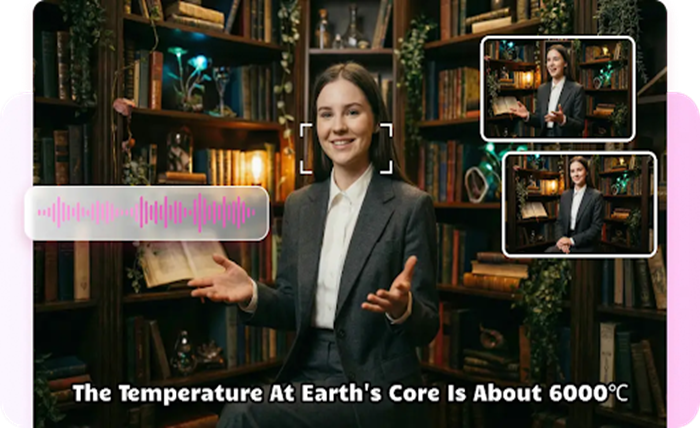
Ambient sound is the sound that makes scenes feel in an AI-generated video. It gives a lot of emotional aspects and realism in an instant. Even the best graphics can’t make up for bad sound. Seamless and synced environmental sound design with Seedance Output for enhanced impact in storytelling. Pippit allows for fast production processes, due to its easy creation of audio-integrated video. This is a good method to enhance the uniformity of visuals and sound layers.
Understanding Ambient Soundscapes in Seedance AI
Ambient soundscapes are soundscapes that are used to set up an environmental sound layer for video production. These range from ambient noises, sounds in cities, and noises inside buildings. The quality of the audio atmosphere is an important element of realism and emotion perception. In fact, the visual context and the sound should be matched in order to have a credible storytelling. AI systems can automatically apply the appropriate sound profiles to scenes. This helps to minimize manual editing and increase production efficiency. With the Seedream model, stable sound-visual mapping and improved stability of the scene are possible. Ensures that the environmental information is in line with the changes in the visual information from one frame to the next. The appropriate sound design can help to clarify the story and to convey the emotional impact. Pippit adds these features to streamlined creative workflows for easier production.
How Audio-Aware Generation Enhances Scene Realism
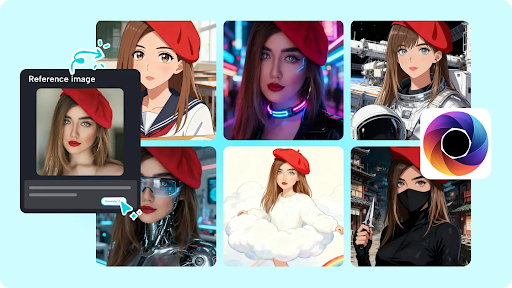
Audio-aware generation ensures sound design and visual composition are seamlessly linked for effective storytelling. Environmental cues are dynamic and react to movement and in-game actions. This ensures the time of audio and visual events is accurate. The Seedance system increases the synchronization of the moving image with the various layers of sounds in the environment. It makes things more realistic by reducing mismatches among scenes. Ambient audio can blend seamlessly through the environments for smoother transitions. The sound intensifies the emotional tone when it is in sync with the visual intensity. With automated sound pairing, manual editing is kept to a minimum. This will help to standardize and harmonize different video formats. Pippit’s inbuilt AI features assist with these functions. Creators benefit from smoother workflow and enhanced AV synergy. When sound and visuals are used together, immersion is heightened.
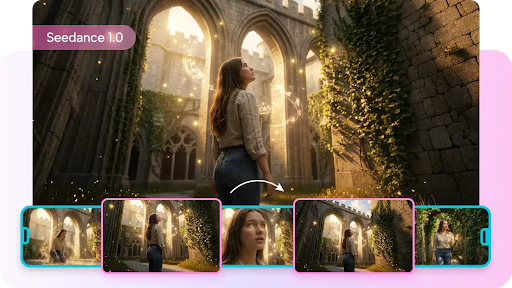
Steps to Generate Ambient Soundscapes That Match Scenes In Seedance Projects
Step 1: Start Your Project Setup
- Sign up for Pippit and access the platform.
- Go to the “Video generator” tab from the dashboard.
Step 2: Create Video With Sound-Aligned Generation
- Select an AI model, such as Dreamina Seedance 1.0, Dreamina Seedance 2.0, or Dreamina Seedance 2.0 Fast, for your video generation.
- Enter a detailed text prompt describing how you want the video and matching ambient soundscapes to feel in each scene.
- If you want, you can also select the video length, language, subtitles, and aspect ratio in which you want to generate your video.
- Click “+” to upload reference images or videos from your device, phone, Dropbox, or a link. You can also select assets if you don’t have reference media.
- Once everything is added, click “Generate” to build your scene with synchronized ambient sound design.
Step 3: Review & Export With Audio Sync
- Select your video, and press the Play button to watch it with its soundscape layers.
- To make changes, click “Edit more” and use the tools to crop, stabilize, adjust colors, or change the background while refining audio alignment.
- Or, click “Download” to save your AI-generated video to your device, or “Publish” to share it directly on your social media.
Designing Scene-Specific Ambient Audio Prompts
Prompts describe the environment; ambient sounds are key to good sound design. Weather, location, and spatial context have to be precisely described by environmental conditions. Visual action should be described in conjunction with sound sources to ensure that it is aligned. To ensure accurate emotional tone interpretation during generation, the atmosphere is controlled by instructions given to the AI. Movement details complement visuals and audio layers well. Layered instructions allow for complex soundscapes, depth, and realism. The prompt structure is clear, which reduces the chance of audio mismatch between the generated scenes. Iterative refinement is possible with Pippit tools, leading to higher sound accuracy. The more advanced the prompting, the more immersive and consistent the results of output. This makes the storytelling experience with a variety of video formats much better.
Types of Ambient Soundscapes Seedance Can Support
- Nature ambiance with forest winds, waterfall, and wildlife textures, for the organic scenes.
- Urban Environments include sounds of traffic, distant voices, and city movement.
- Weather-based audio is added to the mix and provides seasonal atmospheric sounds, rain, and storms.
- Indoor Atmospheres are room tone, low mechanical noises, and spatial echoing.
- Cinematic Background Layers are emotional tones to help with the depth of the story in the film.
- Stylized Audio Environments for Imaginative Storytelling Settings are included in Fantasy and Creative Worlds.
The following categories can be used to correlate sound design with the needs of visual storytelling. For each layer, audio is synced to the scene context to add to the immersion. Pippit provides efficient, structured integration of these types of ambient sound.
Leveraging Audio-Visual Synchronization in Modern Models
Using modern AI models, you can improve the synchronization by generating both audio and visual content at the same time. This helps to reduce discrepancies between the movements and the placement of sounds in the environment. If the sound matches the visual behavior pattern, the authenticity of the scenes is increased. The post-production work is reduced because of the automated alignment of sound layers. Speak real-time to audio pairing, which enhances storytelling quality in intricate sequences. Due to the consistent synchronization, there is no disruption of multi-shot video generation. This makes the production more efficient for content creators with a lot of content. Emotional engagement is increased when audio is used naturally to enhance the visual story. Integrated models are great for reducing the need for any outside sound design tool. These synchronized workflows are made accessible in an easy-to-use interface by Pippit.
Common Challenges When Generating Ambient Soundscapes
Some problems are if too many layers of sounds are used in the ambient sound design, or if the sounds are not clearly defined. Too many noise elements diminish the clarity and the focus of the scene to a great extent. It is still challenging to maintain the same sound quality of the video during the transition in long videos. However, when there are discrepancies between what is seen and heard, the viewer’s involvement is quickly lost. In many instances, the environmental audio generation is not accurate due to the poor design of the prompt. Synchronization between layers of motion and sound is affected by timing inconsistencies. Multiple audio sources need to be carefully balanced in complex scenes. Pippit helps to minimize such problems in a variety of ways, including structured generation workflows. Refinement tools help to increase accuracy in production at the editing stage. A balanced and immersive audio environment is consistently produced with the correct management.
Optimizing Ambient Audio for Different Content Categories
Ambient sounds are used in a different way for the different types of content for maximum impact. The low noise level with good clarity for narration is good for educational videos. The use of enhanced ambient layers for the promotion of the content is effective in reinforcing the brand atmosphere. Social media videos are all about audio that can captivate and retain you. Event highlights: Crowd and environment sounds for realism. Emotion needs depth in the sound design of cinematic storytelling. By changing the intensity of the audio, the viewer engagement will be improved to a great extent. Balanced sound design to make sure there is no distraction and an immersive quality. Pippit offers adaptive audio settings for various types of media. This guarantees uniformity of quality in an efficient way in all production categories.
Conclusion
Ambient soundscape is an integral component of video shoots for realism and emotion. Visual and audio elements should be aligned, and the story is consistently effective. Pippit simplifies the process of developing multimedia content, allowing sound to be integrated into the development process, thus making it an immersive experience. AI systems ensure that the audio from the environment and the activity of the scene are synchronized. This then creates a more captivating and lifelike viewing experience in general. Today’s video work is enriched with smart audio solutions, regardless of the platform.