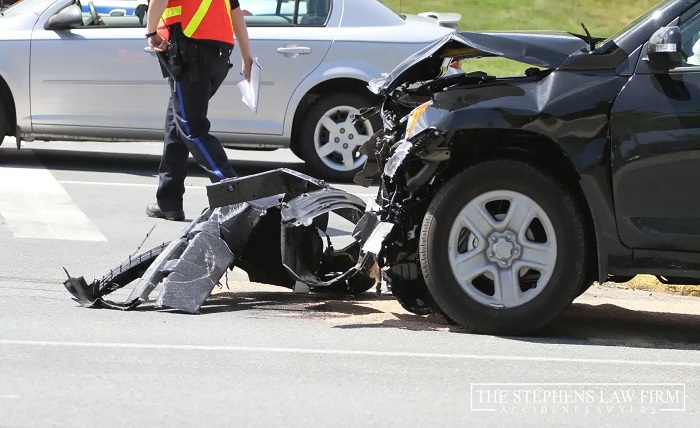
A highway merge looks simple until traffic tightens. One lane ends. Cars bunch up. Someone speeds up. Someone hesitates. Then metal hits metal. That happens often on Interstate 45, Interstate 10, and U.S. Route 59, where lanes shift fast and drivers make split-second choices. A merge crash may seem minor at first. Still, neck pain can start later. Back pain too. The repair bill usually shows up before the soreness fades. That is when many people look for a Houston personal injury lawyer. Here’s the thing: merge crashes look simple, but fault is often argued hard by insurance companies.
Why merge crashes get messy so quickly
A merge asks two drivers to cooperate at the same time. One driver must enter safely. The other should not block the lane just to “win” space. Yet people do that every day in Houston traffic. Sometimes one driver cuts in too tight. Sometimes another speeds up and leaves no room. Both drivers then blame each other. That is why these claims rarely stay simple. A police report helps, but it does not settle everything. Insurance adjusters study lane marks, vehicle angles, skid lines, and timing. Even a small scratch can show who drifted first. You know what surprises many drivers? A side impact near the rear door often tells a stronger story than words do.
Who may carry fault after a highway merge?
Texas follows shared fault rules. That means more than one driver can hold blame. If you are partly at fault, your payment may drop. If fault reaches a certain level, payment may stop. So details matter — a lot.
A lawyer often checks:
- Which lane had the right of way
- Whether a signal was used
- Speed before impact
- Road signs near the merge
- Dashcam or nearby traffic video
A driver entering from an on-ramp usually must yield. Still, the main lane driver cannot act recklessly. That sounds like a contradiction, but it is not. Both duties exist at once. Think of it like joining a moving line at a crowded shop. The person entering must wait for space, yet others should not step sideways just to block the gap.
The evidence often speaks louder than memory
After a crash, memory gets fuzzy fast. People remember noise, fear, maybe a horn. They often miss lane position or exact timing. That is why early evidence matters. Photos help most when taken right away. Capture tire marks, lane arrows, broken glass, and where each car stopped. A short phone video can help even more. Medical care matters too. If your shoulder hurts two days later, get checked. Waiting too long gives insurers room to argue.
A lawyer may also request:
- Traffic camera footage
- Vehicle damage reports
- Witness calls
- Black box data when available
Even weather can matter. A wet merge lane near dusk changes how fault is viewed.
Houston roads make merge claims harder than people expect
Some Houston ramps are short. Some curve sharply. Some throw drivers into traffic with little warning. That adds pressure. Near downtown, drivers often change lanes at the last second because exits come fast. A missed exit can lead to a risky merge attempt. And honestly, truck traffic adds another layer. A sedan beside a large truck may sit in a blind spot for seconds. That is enough for impact. When a commercial vehicle is involved, the claim can widen. Driver logs, company records, and route pressure may all matter. That is one reason firms like Schechter, Shaffer & Harris, LLP – Accident & Injury Attorneys often review more than the crash itself. They look at what happened before the lane change too.
What a personal injury lawyer actually does after a merge crash
A lot of people think a lawyer just files papers. That is only part of it. A strong lawyer reads the crash like a mechanic reads engine noise — listening for what does not fit. They compare statements. They test the timeline. They look for gaps. One sentence from an insurer can shift the whole claim:
“You merged unsafely.”
If that sticks, payment may drop sharply.
A lawyer answers with proof. Maybe the damage angle shows the other driver drifting first. Maybe a witness confirms your lane stayed steady. That is why early legal practice advice helps, even before repairs finish.
The money side — what damages may be claimed?
A merge crash claim can include more than car repairs.
You may claim:
- Medical bills
- Lost pay
- Pain tied to daily limits
- Future care if injury lasts
- Vehicle loss
Some injuries look mild but linger. Neck strain does that often. So does lower back pain. At first you think it will pass. Then lifting groceries hurts two weeks later. That delayed pattern is common, and insurers know it. They may still question it unless records show a clear timeline.
Timing matters more than most people think
Texas has filing deadlines. Miss them, and the claim may end before it starts. But even before that deadline, delay hurts proof. Traffic footage may vanish. Witnesses forget. Cars get repaired. That is why many people call a lawyer while the crash still feels fresh — before facts scatter. And yes, some people wait because the pain seems small. Then the stiffness grows. That happens a lot after merge collisions because side impacts twist the body more than people expect.
A calm claim often works better than an angry one
Right after a crash, emotions run high. That is normal. Still, angry words at the scene can hurt later if someone records them. Keep it simple: Check safety. Call the police. Exchange details. Take photos. Then stop talking about faults. Let the facts do the work. A claim built slowly and clearly often lands better than one pushed by frustration.
FAQs About Highway Merge Accident Claims in Houston
- Who is usually blamed in a highway merge accident?
The driver entering traffic is often checked first because yielding is required. Still, the other driver may share blame if they sped up, drifted lanes, or blocked space on purpose.
- Can I file a claim if I was partly at fault?
Yes. Texas allows partial recovery when your fault stays below the legal limit. Your payment drops based on your share of blame.
- Should I call a lawyer after a minor merge crash?
Yes, if pain starts later or fault is disputed. A small crash can still lead to a large medical bill.
- What if the other driver says I changed lanes first?
That happens often. Photos, witness notes, and vehicle damage usually help sort out which car moved first.
- How long do I have to file a claim in Texas?
Texas has legal deadlines for injury claims. Waiting too long can block recovery, so early legal review is wise.
A merge lasts seconds. A claim may last months. That is why careful steps early on matter — more than most drivers expect.