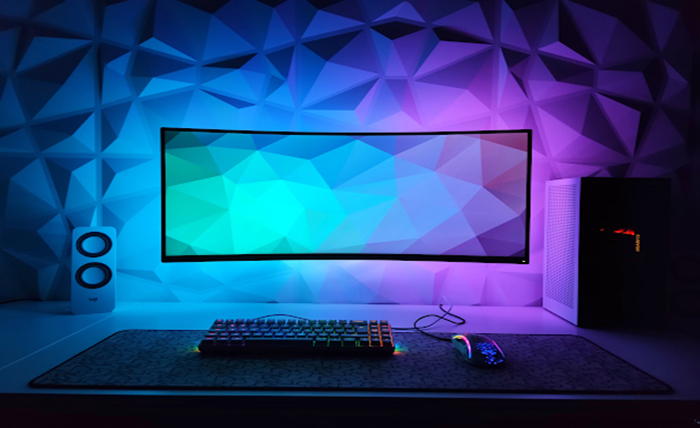
Finding the sweet spot between smooth frame rates and a healthy bank balance has become much easier. Component prices no longer spike every hardware launch, and second-hand markets look healthier than ever. A thoughtful plan now matters more than headline wattage or RGB saturation. Instead of chasing premium badges, a careful builder balances bottlenecks, embraces refurbished gear, and times purchases around seasonal discounts.
A similar mindset powers the growing audience of mobile titles such as the aviator game app, where climbing leaderboards depends on smart risk management rather than flashy extras. Success in both arenas comes from weighing return on investment before pressing the buy button.
Define Performance Targets Before Shopping
Marketing slogans promise ultra presets for every title, yet many competitive games run happily on mid-tier hardware. Frame time consistency often beats sheer maximum frames per second, so prioritising a balanced CPU–GPU pair avoids stutter spikes that ruin action moments. Resolution and refresh-rate goals guide all later choices, turning the parts hunt into a focused mission rather than a wandering spree.
Cost-Smart Component Priorities
- Graphics card headroom – A slightly older flagship often outperforms a brand-new budget model at similar prices, especially when bought refurbished from reputable outlets.
- CPU with upgrade path – Selecting a socket that supports at least one more generation keeps the board relevant for future drops in processor prices.
- Fast, single-stick memory – Starting with one 16 GB module leaves an open channel for easy expansion and avoids replacing smaller sticks down the road.
- Efficient power supply – An 80 Plus Bronze unit sized for modest overhead protects components and saves electricity without premium Gold pricing.
An entire setup can ride these four pillars without dipping into funds reserved for peripherals or game libraries.
Timing Purchases Around the Calendar
Large e-commerce platforms host predictable discount cycles. Black Friday headlines dominate conversation, but mid-year inventory resets often deliver quieter, deeper cuts on last-season graphics cards. Local classifieds become treasure troves when university semesters end and dorm dwellers downsize. Monitoring price-tracking extensions and setting automated alerts eliminates impulse decisions, replacing them with data-driven clicks the moment cost lines drop.
Retailers may bundle mid-range processors with entry-level motherboards, trimming launch costs for first-time builders. Accepting a micro-ATX form factor reduces case expense and simplifies airflow, while still leaving room for a dual-fan graphics card and two large storage drives. Patience and flexibility together outperform brand loyalty when stretching every dollar.
Cooling and Cases: Function Over Flair
An inexpensive tower cooler often equals stock temperatures at half the decibel level, protecting boost clocks under sustained load. Thermal paste upgrades cost the price of a snack yet shave several degrees. Budget airflow cases ditch tempered glass for mesh fronts, trading showroom aesthetics for practical GPU breathing room. Internal LEDs can always return later through clip-on strips if mood lighting feels essential.
Memory speeds influence minimum frames in simulation titles more than critics admit. Choosing a 3200 MHz kit over 3600 MHz frees money for a larger SSD, accelerating level loads. In practice, shave a few benchmark points where the eye barely notices, and reallocate those dollars to tangible quality-of-life upgrades.
Peripheral Decisions that Shape Daily Comfort
A solid desk-level experience extends enjoyment far beyond raw frame numbers. Mechanical keyboards no longer carry luxury pricing; entry switch models arrive under fifty dollars, delivering reliable key feel for both gaming and typing marathons. Entry-level gaming mice share sensor tech once reserved for tournament gear, erasing the need to chase top-shelf logos.
Value-Driven Peripheral Picks
- IPS monitor with adaptive sync – A 24-inch, 1080 p panel at 165 Hz costs less than many high-refresh TN screens did five years ago and prevents tearing when frame rates dip.
- Closed-back headset – Studio-inspired models tuned for balanced audio double as online-class headphones, maximising utility.
- Mouse pad with stitched edges – Small detail, big lifespan. Fraying borders turn into sudden cursor snags at the worst moments.
- Second-hand racing wheel or fight stick – Local listings often halve retail price for niche controllers kept in excellent condition.
Separating the two lists with multiple thematic sections keeps information digestible and mirrors a relaxed conversation instead of a rigid manual.
Software Tweaks Finish the Job
Operating-system game mode, updated chipset drivers, and a lightweight overlay monitor ensure every frame counts. Free performance-monitoring tools reveal background tasks hogging cycles, while undervolting utilities help tame thermals without losing speed. A disciplined backup routine whether through cloud sync or a budget external drive safeguards save files from accidental OS reinstalls.
Digital storefronts routinely hand out indie hits for zero dollars. Bundles that allow choosing charity allocations stretch genres explored while protecting the wallet. Subscription libraries become economical only when titles align with personal taste, so a short trial month tests value before committing to a yearly plan.
Final Thoughts
Building a satisfying gaming environment does not require draining savings or chasing cutting-edge parts every season. Clear performance goals, strategic timing, and willingness to mix refurbished hardware with well-chosen new components together create a rig that delivers engaging play sessions and stable productivity. Like mastering leaderboards in budget-friendly mobile games, success derives from informed choices and patience. In the long term, the satisfaction of beating both bosses and inflated price tags provides a victory screen all its own.