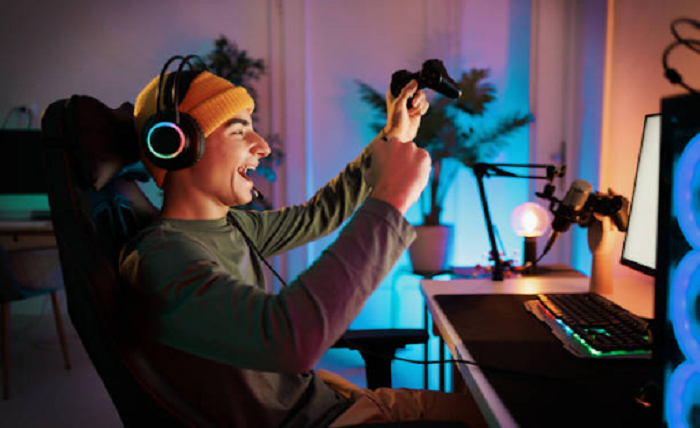
So I’ve been paying attention to something weird lately. Me and my friends used to sink entire weekends into these massive games with combat systems you needed a manual to figure out and upgrade paths that felt like homework. Now though? We’re obsessed with the simplest stuff imaginable. Games that take maybe 20 seconds to understand completely.
You probably know exactly what I mean. The kind where you press one button and watch what happens next. No tutorial sections that drag on forever. No menus inside of menus inside of menus. Just you and a screen and one decision to make. I actually got thinking about this when my cousin wouldn’t stop playing chicken road 2 online back in March. She was completely hooked on it.
The Appeal of One-Button Entertainment
What I’ve figured out is these games work because you don’t need to memorize anything at all. You don’t practice combos for three weeks before you’re decent. You just jump in and you’re already having fun within seconds.
I tried getting my mom into gaming in 2019. Total failure. She got stressed trying to move her character while also controlling where the camera pointed. But a simple tapping game? She played for 37 minutes without even checking the time once.
Why We Actually Enjoy Quick Choices
There’s something deeper here beyond just ease of play. We’re drowning in decisions constantly and I read somewhere that we make around 35,000 choices daily. Sitting down to relax shouldn’t mean facing another few hundred decisions about equipment loadouts and character builds.
We want clean. Simple. The only question being: do I make my move right now or do I wait another second? That’s the whole game. You decide. You watch the result. You go again.
And yeah, that’s genuinely addictive. I’ve wasted more hours than I want to admit on these things. One more attempt. One more round. You get distracted for literally half a second and you’re back at the start. But restarting takes 3 seconds tops so obviously you try again.
What Makes These Games Stick
The best simple games share some patterns I’ve noticed. You can finish a complete round in under 2 minutes. The rules make sense instantly without explanation. Getting better feels achievable but never guaranteed. You can quit whenever without losing anything important.
I play these at the strangest times. While my coffee brews in the morning. When I’m sitting in my car because I arrived too early for a dentist appointment. Standing in the checkout line at Target. They squeeze into the gaps in life instead of demanding you schedule time around them.
My roommate plays while binge-watching shows. Game on his phone, Netflix on the TV screen. He says it keeps his hands occupied. Sometimes your brain needs something to focus on that doesn’t drain your mental energy.
The Social Element Nobody Talks About
Sharing these simple games with people is incredibly easy compared to complex ones. You can’t really explain your 4-hour boss battle saga to someone at work without sounding obsessed. But showing them a quick game during your lunch break? They can try it immediately. No installation process. No time commitment. Just 47 seconds of entertainment.
I’ve legitimately made friends through this. Someone spots you playing on the train. They recognize the game. Next thing you know you’re having an actual conversation.
When Less Really Is More
Look I’m not trying to trash complicated games here. I still boot them up occasionally. But I’ve learned something real about my own preferences after long workdays full of meetings and emails and decisions. I don’t want more thinking required. I don’t want to remember that the hidden treasure chest is located in the northwestern cave system after you’ve collected 15 crystal shards.
I want to tap a button. Watch a chicken try crossing a road. Then try again immediately.
Sounds boring, right?
But I’ve been playing these types for roughly 9 months now and they still hook me. Every round feels different even though the core rules stay identical. That’s actually genius design when you stop and consider it.
The randomness prevents boredom. You can’t memorize some winning pattern. You can’t watch a YouTube guide to guarantee success. You just pay attention and make your choice in the moment. Win some, lose some. And somehow that basic loop is enough to keep millions of us tapping screens every single day.